
Describe the property
Send the location, symptoms, equipment and access details. State whether the work is a repair, replacement or planned project.
Need plumbing help in Newmarket? Tell us about the leak, blocked drain, fixture or water heater. A responding provider will confirm coverage and availability before booking.
Get A Free QuoteCompare tank dimensions, fuel connections, access route, and household hot-water demand before planning a replacement or capacity change in Newmarket.
View scopeDiscuss symptoms and pipe access before choosing snaking, hydro-jetting, or camera inspection for a recurring blockage or suspected sewer-line issue.
View scopeReview visible pipe materials, concealed runs, fixture connections, renovation timing, and testing when comparing a partial repair with a broader repipe.
View scopePlan fixture replacements, basement bathroom drainage, accessibility details, and finish protection around the room's existing layout and plumbing.
View scopeRecord when and where moisture appears to help guide investigation of supply, drain, or yard-line leaks before repair openings are planned.
View scopeCompare pit size, pump capacity, discharge route, outage backup, and backwater-valve suitability against the property's water-entry history.
View scopeConfirm whether the home uses municipal water or a well, then compare treatment and maintenance options with relevant test results.
View scopeWater treatment should be selected from the water source and test results, rather than appearance or a general product recommendation. For a Newmarket home, first establish whether the supply is municipal or from a private well. Note scale in kettles, orange staining, odour, and any existing treatment equipment, then arrange suitable testing before comparing systems. Hardness, iron, and other measured concerns can call for different treatment stages. Ask how a proposed softener, iron filter, carbon system, UV unit, or drinking-water filter addresses the test results and what routine maintenance it requires.
Compare tank dimensions, fuel connections, access route, and household hot-water demand before planning a replacement or capacity change in Newmarket. Discuss symptoms and pipe access before choosing snaking, hydro-jetting, or camera inspection for a recurring blockage or suspected sewer-line issue. Review visible pipe materials, concealed runs, fixture connections, renovation timing, and testing when comparing a partial repair with a broader repipe.
Plan fixture replacements, basement bathroom drainage, accessibility details, and finish protection around the room's existing layout and plumbing. Record when and where moisture appears to help guide investigation of supply, drain, or yard-line leaks before repair openings are planned.
Compare pit size, pump capacity, discharge route, outage backup, and backwater-valve suitability against the property's water-entry history. Confirm whether the home uses municipal water or a well, then compare treatment and maintenance options with relevant test results.
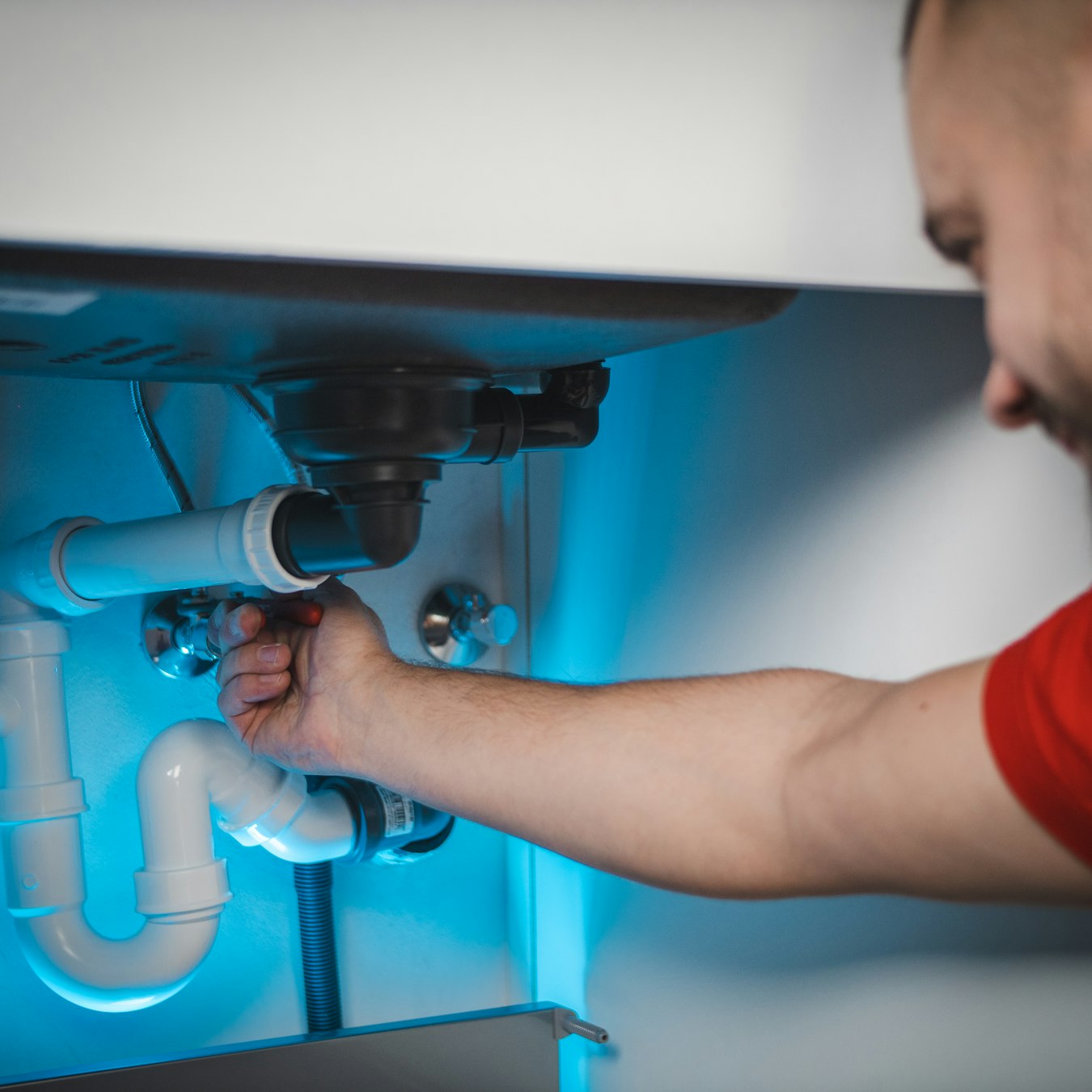
A slow drain or recurring backup can result from a local blockage, grease buildup, roots entering a line, or a damaged sewer pipe. For a drain-cleaning job in Newmarket, note which fixtures are affected, when the problem occurs, and whether several drains back up together. If the property has older cast-iron or clay piping, nearby mature trees, or a history of basement water, share that information when discussing the inspection. The symptoms can help determine whether snaking, water jetting, or a camera assessment is appropriate.
Explore this serviceSend the location, symptoms, equipment and access details. State whether the work is a repair, replacement or planned project.
The request is reviewed so the responding provider can clarify the work, property access and service coverage.
Agree the provider identity, qualifications, written scope, pricing and visit window directly. Sending a form does not confirm an appointment.
If visible supply lines are galvanized, ask how the assessment will account for concealed sections and branches to individual fixtures. Photograph accessible runs and note where water pressure changes. The scope may differ if the issue is limited to one section or if corrosion and restricted flow appear across multiple lines.
If a basement bathroom or secondary suite is planned, ask how the proposed fixtures connect to drainage and venting. Depending on the layout and elevations, a lifting system may need consideration. Share a floor plan and fixture locations so the drainage approach and any applicable inspection requirements can be discussed before walls are closed.
If a property has a crawlspace, long buried water line, or dampness near the foundation, point out the suspected route and any accessible shutoffs. Ask whether the investigation includes the section between the street shutoff and the home. Access, pipe location, and the distinction between a supply line and drainage issue affect the testing and repair scope.
Measure doorways, stair turns, ceiling height, and the clear space around the existing heater. Photograph obstacles and the tank label. In a coal room, crawlspace, or other restricted area, these details can change the removal plan, the replacement dimensions, and the work needed to connect and vent the new unit.
Confirm whether the property uses municipal water or a private well, and gather any recent test results before choosing equipment. If the source or results are unknown, ask what testing is appropriate. Water characteristics can differ from one property to another, so the source and measured values determine which treatment options merit comparison.
Use the form to describe the property, the symptoms and the work requested. For Aurora, Sharon, Queensville, Holland Landing, include your postal code so local coverage can be checked.
If your location is not listed, include its postal code with the requested work. Coverage, travel arrangements and scheduling must be confirmed directly with the provider.